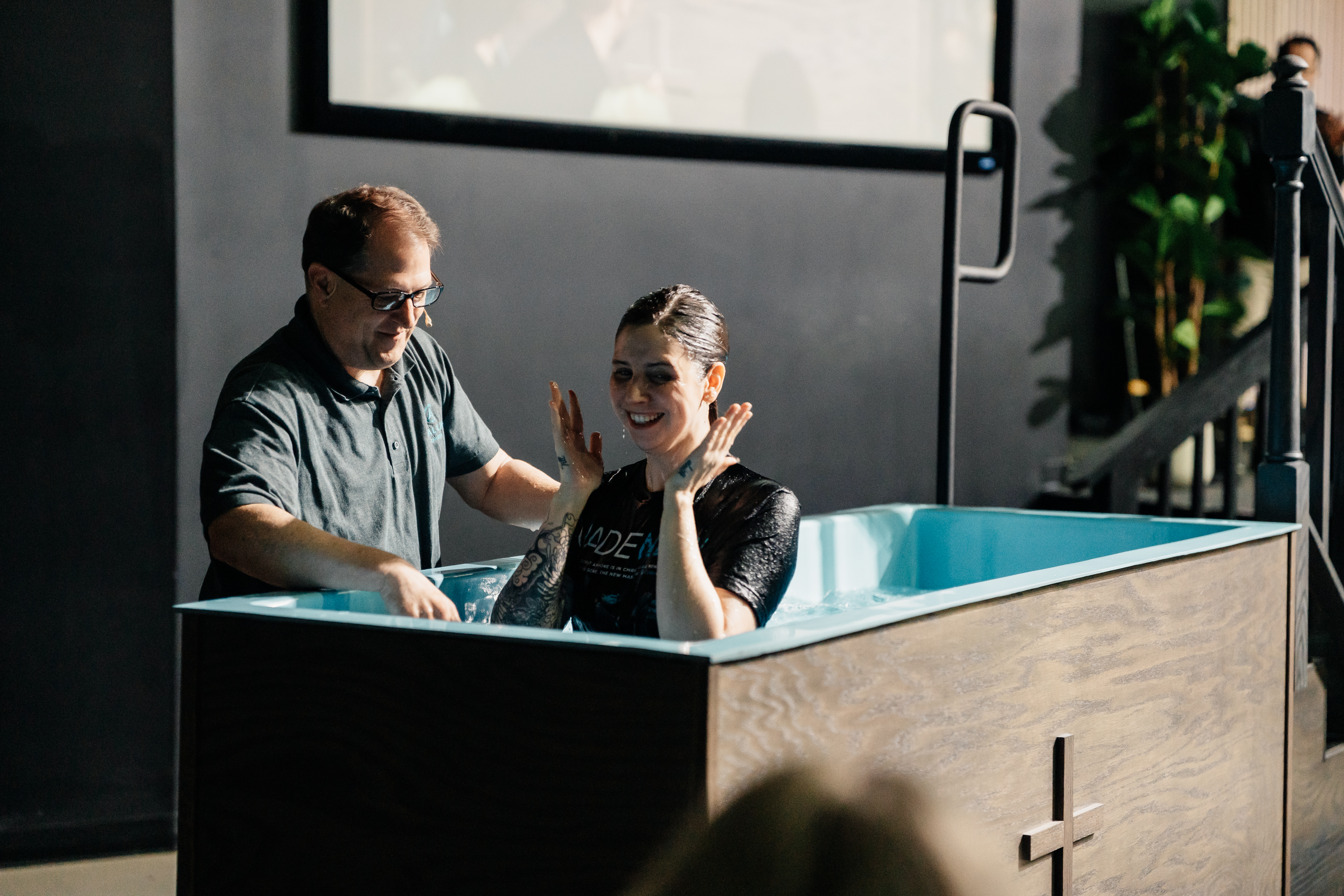
Discover Real Life Church
Connect with God in Community with Others.
This Week at Real Life
What’s going on at Real Life? We're starting a new sermon series called “Green Light Faith,” focusing on the heroes of faith in Hebrews 11.

Why Saying Sorry to God Isn't Working
You confessed it. You meant it. And a week later, you are doing the same thing again. The reason saying sorry to God is not working is usually that confession was treated as the finish line, when Scripture presents it as the first of two steps. The second step is repentance, and that is the one that changes anything. Every one of us aligns our lives with some standard, and the question is which one. To align your life with God's Word, Scripture does four things: it carries authority, sets the standard, convicts, and corrects. The Apostle Paul lays all of this out in a single verse, beginning with a claim about the origin of the Bible. What Does It Mean That Scripture Is God-Breathed? Paul's first claim is the foundation for everything else. All Scripture is God-breathed (2 Timothy 3:16). The literal translation from the Greek means it is breathed out by God, all 66 books of it. It is called God-breathed because the Holy Spirit inspired human writers to communicate divine truth, which we read about in 2 Peter 1:20-21. God used approximately 40 authors over approximately 1,500 years to construct this book. God went to great lengths to provide this way of life, so that we can know God and His ways, and partner with Him in representing who He is to the world. There is an overarching narrative running from the first page to the last: God's redemption of His beloved creation. Since Genesis 1, God has desired to dwell among His people and partner with us so that we can rule and reign with Him over the creation He made good. But men and women have a choice. Will I follow God, or will I reject God? Time and time again, people fall away, choose other things, and come out of alignment. But God, in His grace and mercy, never stopped pursuing us and ultimately went to the greatest lengths by sending Jesus to do for us what we could not do for ourselves, to bring us back into alignment with Him. Why a Book This Old Still Speaks to You Today Scripture is not only inspired by God but also living and active. The writer of Hebrews puts it this way: "For the word of God is alive and active, sharper than any double-edged sword, it penetrates even to dividing soul and spirit, joints and marrow; it judges the thoughts and attitudes of the heart" (Hebrews 4:12). The Bible lives because its Author lives, which means there is always something more to be gleaned from it. You may have read Proverbs 3:5-6, "Trust in the Lord with all your heart and lean not on your own understanding." But you can read that verse for the 150th time, and God illuminates something you never saw before. The Word of God knows you better than you know yourself. The old adage says that when we read the Word of God, the Word of God reads us. God knows exactly where you are today and exactly what you need. He is aware of the job situation, the bills that need to be paid, the addiction you are wrestling with, and the confusion you are up against, whether you are standing on the mountaintop or sitting in the valley. God communicates in a multitude of ways, but one of the primary ways is through His God-breathed, living and active Word. He wants to give you a perspective outside your circumstances, and the only way we gain it is by being in this book. What Standard Are You Aligning Your Life With? If God's Word has authority, the next question follows naturally: what exactly are we to align our lives to? Paul says all Scripture is useful for teaching, and because of its authority, God's Word establishes the standard for what is right. As a follower of Jesus, I believe there is an absolute, objective truth, despite what the world tells you about truth being relative. And God set that standard not to incarcerate us but to liberate us, because He knows best how we are to live according to how He created life to be lived. There is a standard in Scripture for how we align our lives. It teaches men how to love and respect their wives and serve them as Christ did the church, and wives how to love and respect their husbands as unto the Lord. There is a standard for how parents raise their children, for how we steward our time, our treasures, and our talents, for how we steward our sexuality, for how we handle the temptations and desires of our flesh, and for how we treat other people, especially the people we do not like. So here is the question. What standard are you aligning your life with when it comes to your finances, your sexuality, your home, and your job? What we have to be honest about is whether it accords with God's Word, or with what the world tells us is right. I am almost 50 years old, and I have been doing this for a long time. This may feel a little heavy-handed, and maybe it should be. I believe there is a standard that leads to life, and I believe there is a standard that leads to death. I have watched people try to figure out a standard on their own, or take the way of the world, and it has led them to some very dark places. God has a way for us to do life, a life that is abundant, flourishing, free, and liberated in Christ Jesus. But God will not force Himself on you. He will never stop pursuing you, but He has given us the freedom of will to choose, because you cannot have true love without it. God desires that we choose to love Him and walk in His ways because He first loved us. God always moves first, and His motivation is always that of love. Is Conviction the Same as Condemnation? No, and the distinction matters. Once we accept that God's Word holds authority and sets the standard, we begin to see where our lives do not align with it. Scripture teaches us what is right, but it also teaches us what is wrong. Paul says it is useful for rebuking. Rebuking is a heavy word, and the original language carries other connotations. Another way to say it is that the Word of God exposes, bringing into the light the things in our lives that are out of alignment. As you come to Scripture sincerely asking God to speak, He will bring conviction at times. You know you are supposed to forgive, but you keep harboring bitterness toward this person, and really, the only person still in the prison is you. But please hear this. Jesus did not come to condemn us. "For God did not send Jesus into the world to condemn the world, but to save the world through Him" (John 3:17). The Word of God and the Spirit of God do convict us, because God loves us just the way we are, but He loves us too much to keep us that way. Conviction brings about transformation; the more technical term for it is sanctification. God is always shaping us more into the likeness of Jesus, and at times conviction is what causes that. How God's Word Corrects What Is Out of Alignment Thankfully, God does not expose what is wrong and leave us there. Because of His love for us, He shows us how to come back. Paul says Scripture is useful for correcting, which means to make straight, to make right, to restore something broken or out of alignment. The psalmist models the posture: "Search me and know me, O God. See if there is anything wicked or offensive in me"(Psalm 139:23-24). That is what we do when we come to Scripture and ask God to reveal anything that needs to change. Correction follows in two steps, and the first is confession. Confession is an admission of misalignment. I acknowledge where I am out of alignment and confess it because I trust that God is good, kind, gracious, and merciful, and that He will not condemn me. With God, it is okay to say you are not okay. It is just not okay to stay that way. So we confess. I confess that I lied here, that I am harboring bitterness, that I sinned in my anger, that I said I would do this and did something else instead. We come trusting that He is gracious, merciful, and kind, and He is. "If we confess our sins, He is faithful and just and will forgive us our sins and purify us from all unrighteousness" (1 John 1:9). The last thing our loving Savior wants is for us to carry around guilt and shame. That is what the enemy wants, and shame takes us into hiding. When we confess and receive His forgiveness, our conscience clears, and we feel free because we have been set free by Jesus and what He came to do for us. What's the Difference Between Confession and Repentance? Confession is an admission of misalignment. Repentance is returning to alignment. That is the difference, and it is where a great many sincere people stop short. You recognize you are heading in a direction. The Holy Spirit and the Word of God convict you, you confess it, and then you turn from it to come back into alignment. You can have confession without repentance, but I do not believe you can have repentance without confession. I say this in love. Many people stop at confession and continue to do the same things over and over again, consciously and habitually, and I would say to you that this is an abuse of grace. It is an abuse of grace to ask for forgiveness, receive it, and then willingly continue in the very same pattern. Does this mean we confess, repent, and never fall short again? No. We fall short, and we confess again. But there is a desire in us to walk in the ways of God. Cheap grace is confessing and changing nothing. Does Your Sin Grieve You? When we mess up and the Holy Spirit convicts, something distinguishes the response of someone who truly wants to walk in God's ways. There is a difference between godly sorrow and worldly sorrow. Worldly sorrow says, "I'm sorry I got caught." Godly sorrow says, "God, I'm sorry I sinned against You." The Word of God says it is godly sorrow that brings us to repentance (2 Corinthians 7:10). When I recognize the grace, mercy, and love shown to my life that I do not deserve, and grace is getting something you do not deserve- unmerited favor- why would I willingly continue to sin against this amazing grace? One more question worth sitting with. Does your sin grieve you? And if it does, why? Is it worldly sorrow, or godly sorrow? Where to Go From Here To align your life with God's Word is not a single decision. It is a pattern of returning. Scripture carries the authority, because it was breathed out by God and remains living and active. It sets the standard, because God knows best how life was designed to be lived. It convicts, not to condemn you but to expose what keeps you from the life God intends. And it corrects, walking you back into alignment through confession and then repentance. Open the book. Ask God to speak. When He exposes something, confess it honestly, then turn from it, because the turning is what makes the apology real. And it is this loving kindness that draws us back every time, because God always moves first.
Plan Your Visit
We’d love to see you in person! Whether it’s your first time or your fiftieth, we want you to feel right at home.
Everything you need to plan your visit—like service times, easy directions, and what to expect—is just a click away. Check it out below!

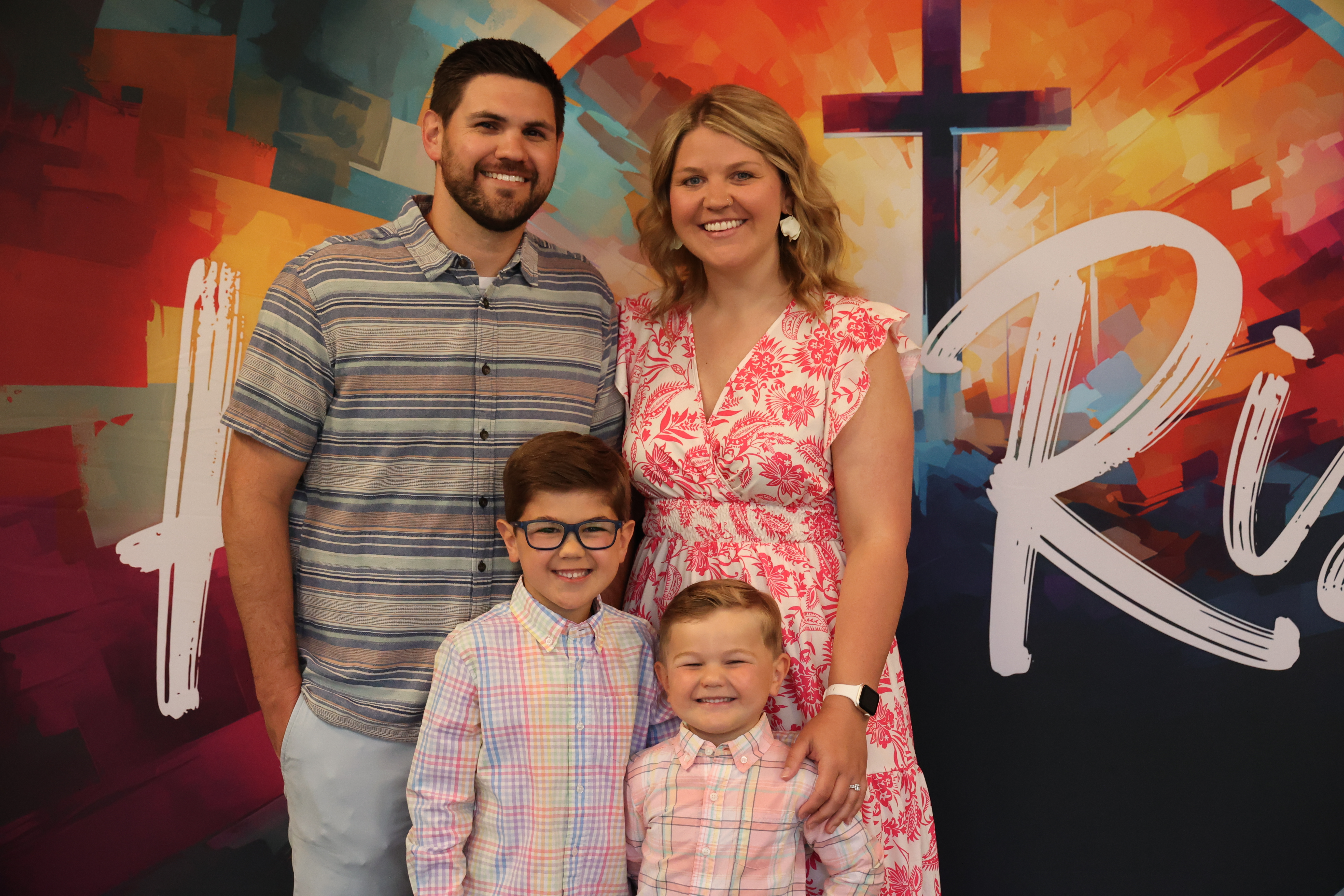
Grow and Learn in Community
At Real Life, you’ll quickly find that growing in your faith is just better when you’re not doing it alone.
There are so many great ministries and classes waiting for you—all designed to help you find your people and strengthen your walk. You can also jump into life groups or fun events whenever you're ready for deeper friendships and a safe space to explore your faith.
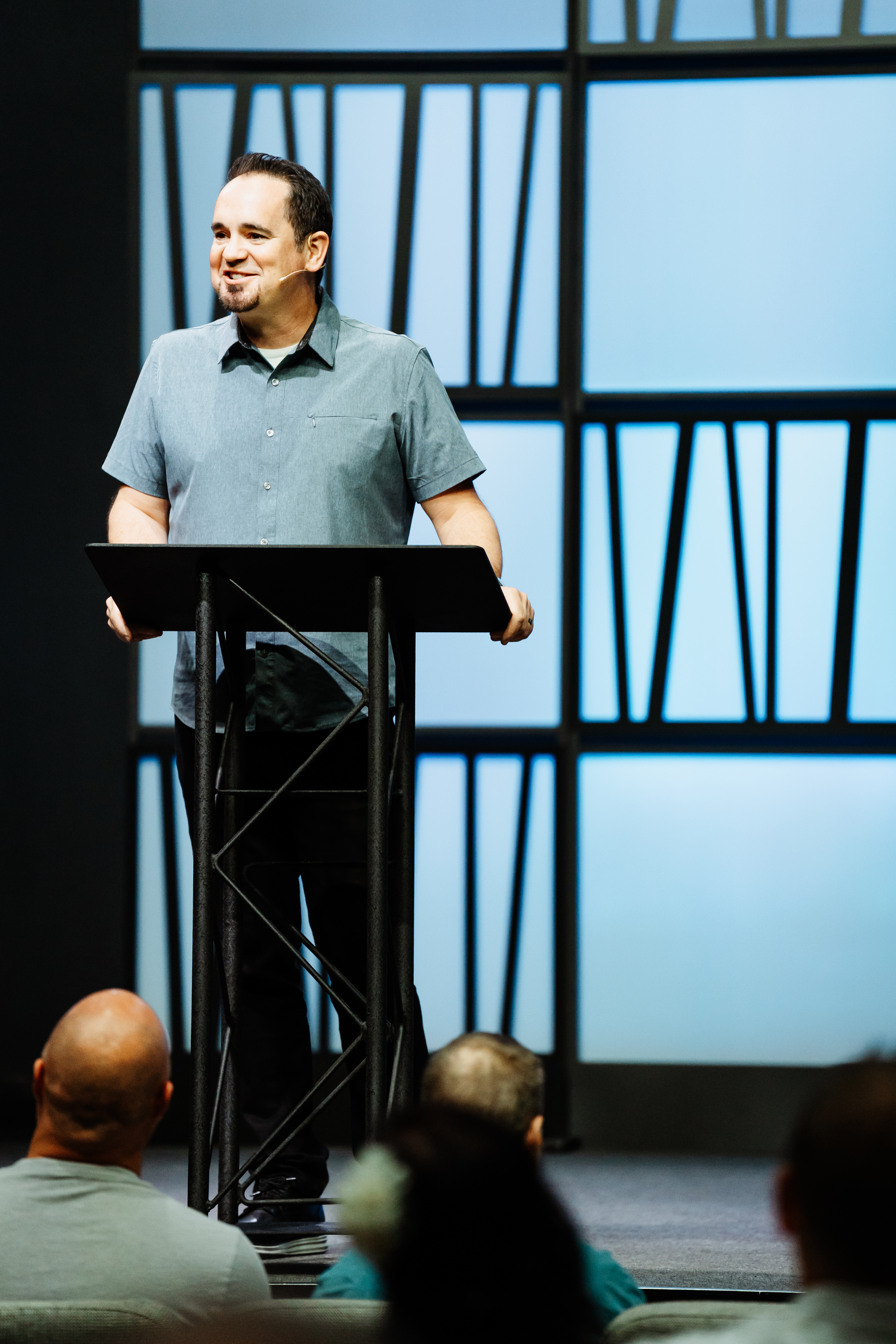
Staff & Leaders
Our dedicated team of pastors and staff are here to provide spiritual guidance and support - as well as resources to help you on your faith journey.

See What’s Happening
Check out this month's events to find out what's happening and how you can be involved. Explore the full list of upcoming ministries and services.
You belong here.
Learn how to get plugged in to the life of Real Life Church.